







Search Results for: 2017 WBC
Costa Rica Aquiares Estate Coffee Bean Profile: 2017 WBC Competition Bean and Rainforest Certification Information
Located in the Turrialba region of Costa Rica, Hacienda Aquiares is one of the largest coffee plantations in the country and the birthplace of Centroamericano, the competition bean used at the 2017 World Barista Championship (WBC). Founded in the late 19th century, the estate sits on volcanic slopes between two rivers, with abundant natural water sources and a pristine forest reserve, and it obtained Rainforest Alliance certification as early as 2003/2004. The estate primarily cultivates Arabica varieties such as Caturra, Catuai, and Catimor, employs washed processing combined with sun-drying and mechanical drying, and produces approximately 15,000 bags annually. Its coffee is known for flavors of nuts, caramel, plum, chocolate, and a sucrose-cream finish, with bright fruit acidity and a smooth body. Front Street Coffee has specially compiled complete estate information to give you an in-depth look at the terroir story behind this WBC competition bean. [more…]
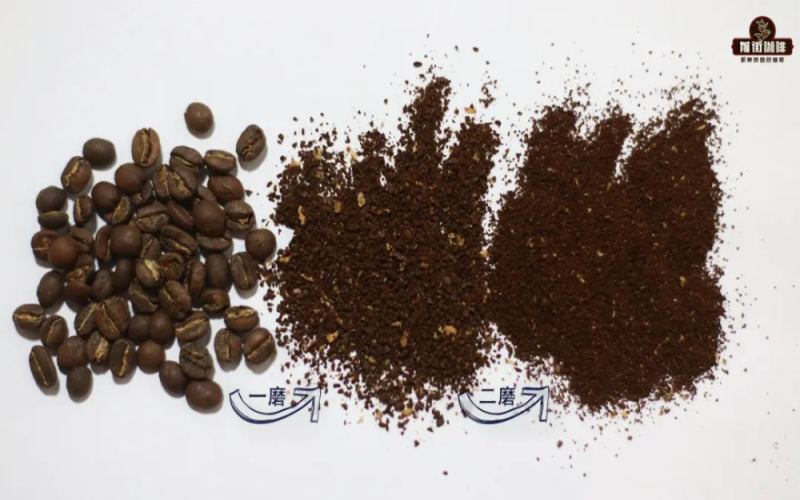
Is secondary grinding of coffee grounds really feasible? An analysis of the principles, risks, and practical approaches of WBC competitors
Some coffee enthusiasts might think: since a grinder can grind coffee beans into fine powder, grinding already-ground coarse powder finer again should not be a problem, right? This idea seems reasonable, but in practice it can cost the grinder dearly. This article focuses on regrinding, first explaining why putting coffee grounds back into the grinder can lead to clogging, breakdowns, and other risks, and mentioning a real case in which a Front Street Coffee shop's grinder was ruined as a result; then introducing how 2017 WBC Japanese competitor Tetsu Suzuki and 2019 WBrC Chinese competitor Du Jianing used techniques such as liquid nitrogen cooling and coarse grinding followed by fine grinding to pursue a more concentrated particle size distribution and higher uniformity, and finally reminding everyone to make a decision based on their own grinder conditions and budget. [more…]

Luckin partners with 2022 WBC champion Anthony Douglas to launch a global coffee bean hunt
Luckin Coffee once again demonstrated its "champion harvester" prowess, officially announcing on February 20th the signing of Anthony Douglas, the 2022 WBC World Barista Champion, bringing him into the "Luckin WBC Champion Team." Starting in March, Anthony will lead a bean-sourcing team deep into Ethiopia and Panama, two renowned origins, to participate in green bean procurement. This marks Luckin's fifth collaboration with a WBC champion, following Hidenori Izaki, Andrej Latuada, Pan Zhimin, and Agnieszka Rojewska. Anthony won the championship with his innovative technique of concentrating milk using freeze-drying technology, and previously served as a global ambassador for La Marzocco. Having come up through Melbourne's Axil Coffee Roasters, his addition will inject new vitality into Luckin's specialty coffee line. Whether the future "Little Black Cup" series will feature Panama Geisha is something worth looking forward to. For more specialty coffee news, welcome to follow Front Street Coffee (FrontStreet Coffee). [more…]
Flavor Analysis and Pour-Over Recommendations for El Salvador Olive Tree Estate Washed Kenya SL28 Coffee Beans
Front Street Coffee has recently added a Kenyan SL28 washed bean from El Salvador's Olive Tree Estate, a bean closely linked to the 2017 WBC champion bean. Olive Tree Estate is located near a volcanic national park, at an altitude of 1,800 to 1,950 meters, with fertile volcanic soil and a rich ecological shade system, and has obtained organic and Rainforest Alliance certifications. The SL28 variety is known for its excellent sweetness, balance, and citrus and smoked plum notes. This article will introduce the estate's background, variety characteristics, washed processing flow, roasting curve analysis, and cupping flavor performance, along with Front Street's recommended pour-over parameters for coffee lovers' reference. [more…]
Luckin partners with Hidenori Izaki, Asia's first WBC champion, to drive the rise of a homegrown Chinese coffee brand.
From Nestlé and Starbucks to Luckin, the image of coffee in the minds of Chinese consumers has evolved from a "bitter black drink" to a daily beverage worth savoring, and the profession of barista has consequently garnered much attention. Among them, Japanese coffee master Hidenori Izaki is a legendary figure whom many Chinese people came to know through Luckin. He began making coffee at 16, became the first Asian champion of the WBC World Barista Championship at 24, and now collaborates deeply with the Chinese brand Luckin, dedicated to creating a national coffee brand for Chinese consumers. This article will review his coffee life, the journey of his connection with Luckin, and the changes in the Chinese coffee market through his eyes. [more…]
Planting Background, Development Trajectory, and Java Variety Flavor Analysis of Bolivian Coffee Regions
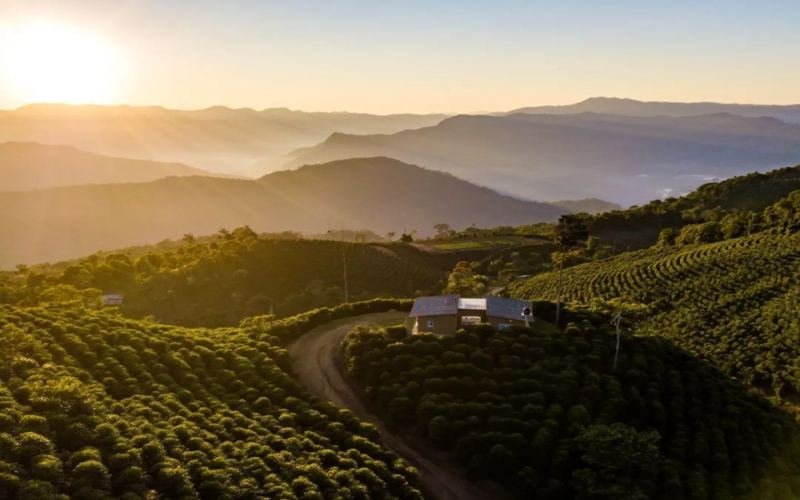
Although Bolivia is hailed as an ideal place for growing coffee, its production has always been limited. The high altitude and diverse terrain give the coffee rich sweetness and soft acidity. It was with Bolivian Geisha that Miki Suzuki, runner-up in the 2017 WBC, won attention. However, steep roads, the temptation of coca cultivation, and the blow of leaf rust in 2013 have repeatedly brought twists and turns to the coffee industry of this landlocked South American country. From the glory of the COE competition to the export difficulties amid political turmoil, the revival of Bolivian specialty coffee cannot be separated from the perseverance of the Rodriguez family. They promote the Tomorrow's Sun project and have cultivated distinctive bean varieties such as Coco Natural Java. This article will introduce Bolivia's coffee-producing regions, historical context, and variety flavors, and Front Street Coffee also shares its cupping experience. [more…]
Bolivia Geisha Coffee Flavor Analysis: The Story of the Java Variety and the Rodriguez Family's Specialty Journey
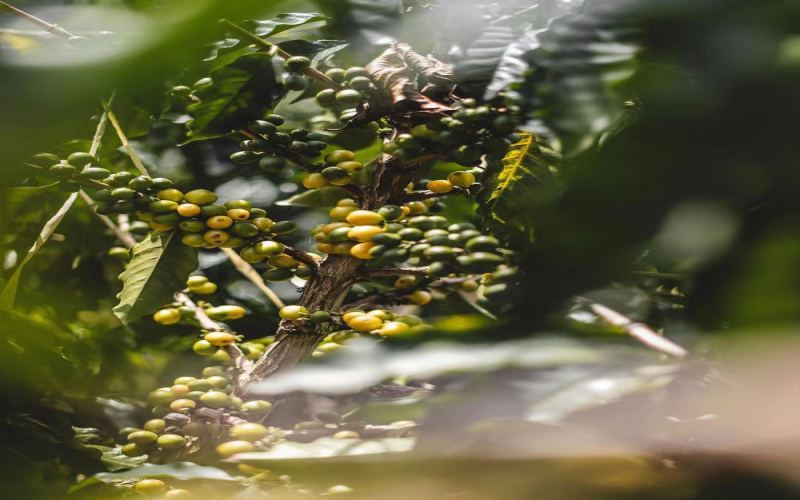
Although Bolivia is hailed as an ideal place for coffee cultivation, its production has always been limited, yet its coffee impresses with rich sweetness and soft acidity. At the 2017 WBC, Japanese competitor Miki Suzuki won the world runner-up title with a Bolivian Geisha, bringing this origin into the spotlight. The Java variety, known as Geisha's cousin, likewise offers an elegant and distinctive flavor. Front Street Coffee once cupped a Cacao Natural Java from the Rodriguez family, which was sweet and tangy with a creamy smoothness. This article will guide you through the development history of Bolivian coffee, its cultivation models, and the distribution of its producing regions, as well as how the Rodriguez family is driving specialty coffee forward, and provide a detailed analysis of the roasting and brewing performance of this Waliki Estate Java coffee bean. [more…]
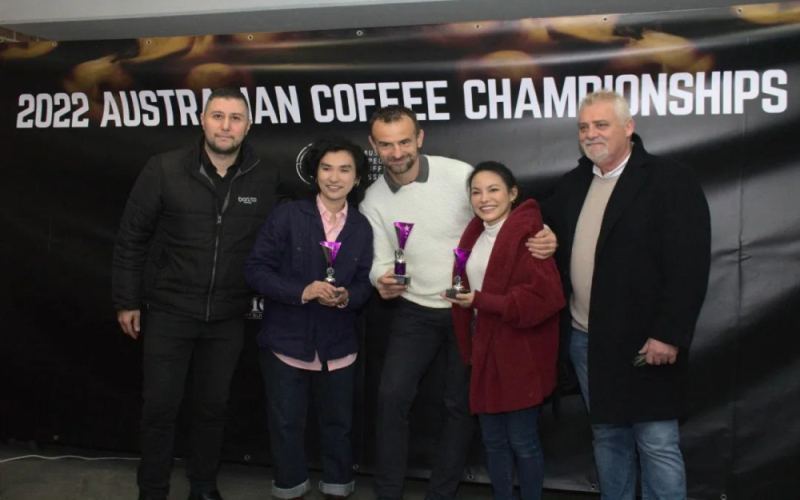
Sasa Sestic Returns to the Brewing Competition Arena: A Full Breakdown of the Ultra-Long Carbonic Maceration Geisha and the Ice-Stone Brewing Black Technology
2015 WBC Italian Champion Sasa Sestic returns to the competition stage after seven years. This time, he brings an experimental batch of Geisha from Iris Estate, a farm he created together with Jamison Savage, owner of Deborah Estate in Panama, to compete in the 2022 Australian Coffee Brewers Cup. This coffee professional, who has delved deeply into carbonic maceration for many years, chose to hold back in an era when anaerobic fermentation swept the competition scene, studying regional terroir and volatile compounds, and using his original Paragon brewing method and ice-stone aroma-locking technique to showcase the candy-like sweetness of an ultra-long macerated Green Tip Geisha. This article will provide a complete analysis of his brewing approach, staged pouring parameters, and flavor performance, with a recommendation from Front Street Coffee at the end. [more…]
Exploring Panama's Geisha Twin Stars: The Origins of Deborah Estate and Morgan Estate, and Front Street Brewing Guide
Geisha coffee made Panama's Hacienda La Esmeralda famous, but hidden within this volcanic region are two equally dazzling Geisha gems—Deborah Estate and Morgan Estate. Both are helmed by Jamison Savage: one is known for its secluded location above 1,900 meters and super-long sun-drying, while the other stuns the competition scene with steep-slope organic farming and its identity as a WBC champion bean. This article takes you deep into the terroir, processing methods, and flavor differences of both estates, and includes Front Street Coffee's brewing parameter recommendations for the Savage series Geisha, helping you brew a cup full of floral aromatics and balanced acidity at home. [more…]

Making Purified Milk at Home: A Full Guide to Ice Beer Thawing Methods, Milk Extraction Ratios, and Storage Tips
In the world of milk coffee, espresso is certainly the soul, but the choice of milk is equally important. In recent years, Ice Blogger purified milk, with its rich, sweet, and fragrant taste, has moved from specialty coffee shops into home kitchens, becoming a staple ingredient for many coffee lovers. This article addresses common questions about homemade Ice Blogger: from its German origins and appearances at WBC competitions, to the specific steps of freeze purification; from the choice between 200ml small bottles and 1-liter packs, and the impact of a 40% to 60% milk extraction ratio on flavor, to the time differences and hygiene considerations between room temperature and refrigerated thawing; finally, it also compiles recommended storage periods for homemade Ice Blogger. Front Street Coffee, combined with comparative experiments, provides a complete guide for friends who want to replicate Ice Blogger milk coffee at home. [more…]
Bolivian Coffee Beans | Why is Bolivian coffee rarely seen in China? What unique characteristics does Bolivian coffee have?w
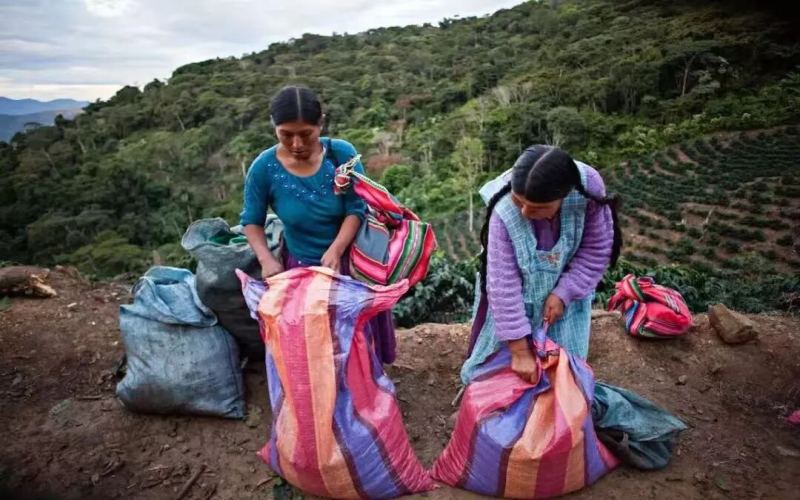
Bolivia is a fascinating place. Although it is called a paradise for coffee growing, its production has always been low. Front Street Coffee is deeply impressed by the delicate flavors of Bolivian coffee. In terms of flavor expression, Bolivian coffee is mostly characterized by rich sweetness and soft acidity. At the 2017 WBC (World Coffee [more…]
A Roundup of the World's Most Expensive Geisha Coffee Estates: The Sky-High Legends of Ruby, Esmeralda, and Sophia
Geisha coffee is hailed as the crown jewel of the specialty coffee world, and the Geisha produced by several legendary estates in Panama has pushed prices to astonishing heights. This article will guide you through the origins, auction prices, and flavor characteristics of the world's most expensive Geisha coffee, including the 90+ Ruby Vanguard that broke $1,000 per pound, the Hacienda La Esmeralda Red Label that is a perennial winner at the BOP auction, and Finca Sophia, which set a high-price record on its very first competition entry. At the same time, we will also introduce several Geisha products worth watching under the Front Street Coffee brand, from top-tier auction beans to everyday daily-drinker options, satisfying the needs of different enthusiasts. [more…]
Counting Down the World's Ten Most Expensive Coffee Beans: Geisha Leads the Sky-High Rankings, Front Street Red Label Stands Out for Value
How expensive can a cup of coffee be? From the 90+ experimental batch at $5,000 per kilogram, to the展望 Ruby priced at 1,010 yuan per cup, to the Panamanian Geisha that keeps breaking records at the BOP auction, the price ceiling of the world's top coffee beans has been pushed higher again and again. This article systematically reviews the 2019 edition of the world's most expensive coffee beans ranking, covering rare varieties such as 90+ Company's #227 batch, Hacienda La Esmeralda Red Label Geisha, Sofia Super Geisha, civet and elephant dung coffee, St. Helena, Jamaican Blue Mountain, Incht Pachamama, and Hawaiian Kona, with detailed explanations of their origin backgrounds, processing methods, and flavor characteristics. At the end, it specially recommends the Hacienda La Esmeralda Red Label Geisha roasted by Front Street Coffee, which, at a price of 350 yuan per 100 grams, makes high-end Geisha an everyday option and provides enthusiasts with a choice that combines quality and value for money. [more…]
Exploring Panama's Geisha Twin Stars: The Origins of Deborah Estate and Morgan Estate and the Savage Coffee System
Geisha coffee made Panama's Hacienda La Esmeralda famous, but on this land surrounded by volcanoes, there are two other estates that also produce top-tier Geisha—Deborah and Morgan. Both belong to Jamison Savage's coffee empire, one located in the high-altitude primary forest of Volcán, the other perched on the steep slopes of Barú Volcano, renowned for strict organic farming and meticulous post-harvest processing. Front Street Coffee will guide you through the geography and terroir of these sister estates, their processing techniques, and the collaborative model of the Savage Coffee project, and share a cup profile and brewing recommendations for a Savage series Geisha. [more…]
An In-Depth Analysis of Pour-Over Coffee Stirring Techniques: From Champion Methods to Extraction Effects
In the process of pour-over coffee, the action of stirring the coffee bed has attracted increasing attention from enthusiasts in recent years. Some hope to enhance the sweetness and flavor layers of coffee through stirring, while others remain skeptical of its effects. This article, from the perspective of Front Street, reviews the origins and representative figures of stirring techniques, analyzes the different roles of stirring during the blooming stage and the main extraction stage, and, combined with practical comparative experiments, explores the impact of stirring on extraction results, as well as issues that need attention such as fine particle clogging and bean quality, helping coffee enthusiasts make a more rational judgment on whether to stir and how to stir. [more…]
A Complete Analysis of Bolivian Coffee Estates: Terroir and Varieties — From San Angel to Illimani, the Flavors of Specialty Beans
Bolivia, with its high altitudes and tropical climate, has become a coffee origin that cannot be overlooked in the specialty coffee world. This article takes an in-depth look at several representative estates in the country—San Angel, Sugar Mill, Castle Ruins, Brugmansia, Wish, Alpaca, Provincial Eagle, and more—covering the cultivation stories and flavor characteristics of varieties such as Typica, Caturra, Java, and Geisha, and explaining how the Sunrise Project helps local coffee farmers improve quality. Front Street Coffee also continues to follow the unique performance of these estates. [more…]
A Complete Analysis of Bolivian Coffee Regions: From Java Variety to the Rodriguez Family's Specialty Journey
Although Bolivia is hailed as an ideal place for growing coffee, its production has always remained low, and it even once became a minor coffee country. Yet the coffee flavors nurtured on this land are stunning—rich sweetness and soft acidity make it stand out in the specialty coffee world. Front Street Coffee has introduced several Bolivian beans, among which the Java variety cultivated by the Rodriguez family is especially striking, known as Geisha's cousin. This article will guide you through the regional characteristics, development history, and cultivation models of Bolivian coffee, and provide an in-depth analysis of the Coco Natural Java coffee beans from Waliki Estate, from variety tracing to processing innovation, exploring the coffee charm of this landlocked South American country. [more…]
Flavor Analysis of Bolivian Geisha and Java Varieties: From Origin Challenges to the Rodriguez Family's Specialty Journey
Although Bolivia is hailed as an ideal place for coffee cultivation, its production has always been limited, yet its coffee impresses with rich sweetness and soft acidity. From the cupping perspective of Front Street Coffee, this article sorts through the historical ups and downs of Bolivian coffee, the distribution of producing regions, and cultivation models, focusing on how the Rodriguez family has driven the development of specialty coffee, and offering an in-depth analysis of the origins of the Geisha and Java varieties. The article also documents in detail a cacao natural Java coffee bean from Finca Valiki that Front Street Coffee cupped, presenting the unique charm of this bean in full, from processing method, roasting curve, to brewing parameters and flavor description. [more…]
Bolivian Coffee Bean Flavor Characteristics and Origin Story: From Death Road to the Transformation into Specialty Coffee
In the heart of South America lies Bolivia, a landlocked country surrounded by high mountains. Although its coffee-growing elevations do not match those of its neighbors, Bolivia's unique natural environment and continuous efforts toward specialty coffee are gradually bringing Bolivian coffee into the view of coffee lovers worldwide. From the once treacherous "Death Road" to today's high scores at the COE competition, from Typica and Caturra to the distinctly flavored Java variety, this land produces coffees with deep sweetness and soft acidity. In this article, Front Street Coffee will take you deep into the geography, history, and regional flavors of Bolivian coffee, as well as Front Street's roasted and cupped Valiki Estate Cacao Natural Java, exploring its alluring charm where ferment notes interweave with floral and fruity aromas. [more…]
Bolivia Coffee Full Analysis: Specialty Bean Flavor Characteristics, Cultivation History, and the Rodriguez Family Geisha Java
Bolivia is celebrated as an ideal place for growing coffee, yet its annual output has long remained low, at one point even falling to the level of a minor coffee-producing country. And yet this land has given rise to a Geisha that won the favor of a World Barista Championship runner-up, as well as the Java variety known as Geisha's cousin. From the high-altitude terroir of the Yungas region, to the Tomorrow's Sun project promoted by the Rodriguez family, and on to innovative experiments with the cacao natural processing method, Bolivian coffee has carved out a winding yet fascinating path toward specialty coffee. Front Street Coffee will guide you through the origins, development history, varietal characteristics, and flavor profile of Bolivian coffee, with a focus on cupping a cacao natural Java coffee bean from the Valiki estate. [more…]